Best Plants That Thrive in Jacksonville's Summer Heat
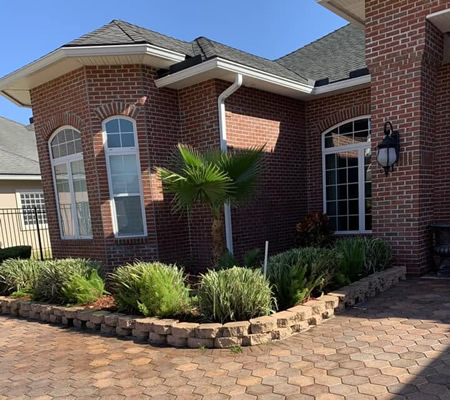
Jacksonville summers bring blazing sun, salty breezes near the Beaches, and thick afternoon humidity. The right plants can handle it all and still look great from Riverside to Mandarin. This guide highlights heat-tough, mostly Florida native picks that save water and time while still giving you color and curb appeal. If you are refreshing beds or planning a full upgrade, explore how thoughtful landscape design in Jacksonville groups the right plants in the right places for lasting results.
How To Choose Heat-Ready Plants For Jacksonville
North Florida sits in USDA Zone 9a, which means plants must tolerate intense sun, long stretches of heat, and quick bursts of rain that dry fast in sandy soils. Look for natives and well-adapted varieties that thrive with less fuss. Native plants often need less water once established and stand up better to local pests and diseases.
- Match sunlight to species. Full-sun plants need 6 to 8 hours of direct light to bloom and stay compact.
- Think soil and drainage. Jacksonville’s sandy soil drains fast, so pick drought-tolerant roots and use mulch to hold moisture.
- Plan for salt and wind near Jacksonville Beach, Neptune Beach, and Atlantic Beach.
- Group plants with similar water needs so irrigation stays simple and efficient.
Top Florida Native Shrubs And Small Trees
Firebush (Hamelia patens)
Firebush loves heat and sun, pushing fiery red-orange blooms that draw butterflies and hummingbirds from late spring into fall. In a cold snap, it can die back, then rebound when warm weather returns. It works as an accent shrub along drives or fence lines and pairs well with airy grasses for contrast.
American Beautyberry (Callicarpa americana)
Beautyberry handles part sun to shade and still pushes vivid purple berries in late summer and fall. It is low-maintenance, bird-friendly, and a smart choice for bright edges under pines or live oaks. Use it where you want seasonal interest without constant pruning.
Walter’s Viburnum (Viburnum obovatum)
This versatile native makes a durable hedge or a natural-looking screen. It tolerates heat, responds well to light shaping, and provides white spring flowers followed by berries. Choose dwarf forms for foundation plantings and larger forms for property lines.
Yaupon Holly (Ilex vomitoria)
From dwarf mounded forms to small trees, yaupon holly is tough in sun, wind, and salt. Birds love the berries, and the evergreen foliage gives structure through winter. It is ideal for coastal sites, pool areas, and trimmed hedges that keep their shape in the heat.
Coontie (Zamia integrifolia)
Florida’s native cycad brings a clean, architectural look with glossy fronds and a compact habit. Coontie thrives in sun or part shade and needs very little water once established. Use it in mixed beds or as a tidy, low border that holds up in summer.
Color That Can Take The Heat: Flowers And Perennials
Blanketflower (Gaillardia pulchella)
With bright pinwheel blooms, blanketflower loves full sun, drains fast, and shrugs off mid-July heat. It keeps color coming even in lean soil and pairs well with low grasses at mailbox beds or curb strips.
Coreopsis (Coreopsis spp.)
Florida’s state wildflower brings waves of cheerful yellow daisies and thrives in sandy soil. Plant in drifts for a meadow feel that handles heat and still looks tidy along walkways.
Scarlet Sage (Salvia coccinea)
This native salvia delivers red, pink, or white spikes that pollinators flock to in hot weather. It reseeds politely, filling gaps with fresh color every summer and early fall.
Dune Sunflower (Helianthus debilis)
For coastal sites, dune sunflower is a winner. It is salt-tolerant, blooms for months, and spreads into a bright, low carpet that keeps sand in place and weeds down.
Grasses And Groundcovers For Low-Maintenance Beds
Muhly Grass (Muhlenbergia capillaris)
Muhly grass forms neat clumps and sends up pink, cloud-like plumes in fall. It handles drought and heat, and it looks great massed along drives where reflected heat can stress other plants.
Dwarf Fakahatchee Grass (Tripsacum floridanum)
This Florida native clumping grass thrives in full sun and holds its shape through the hottest months. Use it to anchor corners, soften hard edges, or line up a repeating rhythm down a long bed.
Sunshine Mimosa (Mimosa strigillosa)
A native, traffic-tolerant groundcover with pink puffball flowers, sunshine mimosa stays low and knits together quickly. It works between stepping stones or along warm paver edges where turf struggles.
Smart Plant Pairings For Jacksonville Homes
If you like clean lines, try a base of coontie and dwarf fakahatchee grass, then pop in blanketflower for color you can see from the street. For a softer cottage look, mix beautyberry with coreopsis and scarlet sage, then weave in muhly grass for movement. Near pools and patios, yaupon holly and dune sunflower handle glare and heat without constant attention, and a fresh layer of mulching helps beds stay neat after summer storms roll through.
Design is not only about plants. Repeating textures and choosing the right heights make small yards feel bigger in San Marco and Ortega. If you want a bigger-picture plan, call on our landscaping company in Jacksonville and see how plants, hard edges, and pathways come together without extra upkeep.
Seasonal Care That Keeps Them Thriving
Jacksonville’s rainy season brings quick downpours followed by heat, so drainage and airflow matter as much as watering. Mulch 2 to 3 inches deep but keep it off trunks and stems to prevent rot. Most natives need little feeding, especially if you refresh mulch each year to add organic matter. If you prefer a tidy, manicured look through summer, a consistent lawn maintenance schedule helps keep edges sharp and weeds from creeping into beds.
- Choose sun-lovers for west and south exposures where the afternoon gets hottest.
- Near the river or Intracoastal, lean toward salt-tolerant picks and shrubs with flexible branches.
Plant availability changes by season, and growth rates vary by variety. Avoid invasive plants like Lantana camara that spread aggressively and crowd out Florida natives. For the least stress on new plants, aim for fall planting so roots settle before peak heat in late spring and summer.
Where These Plants Shine Around Jacksonville
In Riverside and Avondale, tight front yards benefit from compact shrubs like coontie and dwarf yaupon holly that will not overtake sidewalks. In Mandarin and Julington Creek, larger lots can carry a layered hedge of Walter’s viburnum backed by muhly grass for seasonal color.
In Jacksonville Beach, Neptune Beach, and Atlantic Beach, dune sunflower and yaupon holly keep working where salt and wind take a toll. For new builds around Bartram Park or Nocatee, massed coreopsis and blanketflower establish quickly and bring color without daily attention.
Bring Your Jacksonville Yard To Life
If you want a yard that looks great in August and stays simple to care for, partner with Pure Pro Lawn & Landscape. Our team can help you choose a plant palette that matches your sun, soil, and style, then shape it into a plan that lasts. See how the right layout and species mix come together with professional landscape design, or call 904-859-5170 to talk with a local pro today.
Let’s Bring Your Yard to Life – Reach Out To Our Jacksonville Landscaping Company Today!