How to Keep Your Jacksonville Lawn Green During Florida's Hottest Months
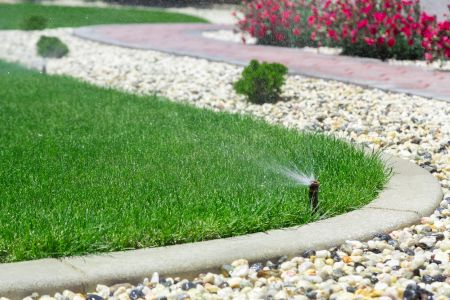
When summer in Jacksonville turns steamy, your turf works overtime. Thick humidity, salty breezes near the Beaches, and long stretches of high heat can fade color fast. A focused plan built for Florida summer lawn maintenance helps your yard stand strong. Many homeowners choose a professional lawn maintenance program so the right adjustments happen at the right time, even as the weather swings week to week.
Why Jacksonville Lawns Struggle In Summer
North Florida heat does more than warm the soil. It speeds up growth, increases water loss, and invites disease pressure. St. Augustine grass, the most common turf from Mandarin to Arlington, loves warmth but can be stressed when nights stay hot, and the soil dries between afternoon storms. Sandy coastal and riverbank soils drain fast, so nutrients and moisture move out of the root zone quicker than many people expect.
Salt spray near Jacksonville Beach and Neptune Beach can scorch leaf tips. Shady streets in Riverside and San Marco often hold moisture longer, which can invite fungus after repeated pop-up storms. Add foot traffic from kids and pets, and the turf starts to feel like a marathon runner who can’t get enough water or recovery time between races.
Smart Watering For Florida Heat
Watering is about timing, volume, and distribution. Turf needs deep, even soil moisture that reaches the root zone. Frequent, shallow watering encourages weak roots and wastes water. Overwatering chases away oxygen and opens the door to disease. A balanced schedule keeps the lawn resilient without creating soggy spots.
Early-morning irrigation reduces waste, limits leaf wetness during the hottest hours, and helps St. Augustine handle heat without inviting fungus. Professionals adjust runtimes seasonally and follow local watering guidance that can change during droughts. Coverage also matters. If a rotor misses a corner or a head is tilted, you will see stripes of gray-green turf by late afternoon.
- Signs of underwatering: bluish-gray color, footprints that linger, leaf blades folding inward, and crispy edges on sunny exposures.
- Signs of overwatering: mushrooms after dry days, thatch that feels spongy, algae on soil near sidewalks, and yellowing in low spots.
Jacksonville’s afternoon storms can dump an inch in minutes, then nothing for a week. Smart controllers, rain sensors, and pressure-regulated heads help even out those swings. They also reduce runoff on slopes in Southside and along the Intracoastal, where sandy soils shed water fast when the system runs too long at once.
Mowing And Turf Health For St. Augustine Grass
Mowing is not just a haircut. It controls how much leaf the plant keeps to make energy. St. Augustine thrives with a higher cut that shades the soil, cools the crown, and blocks weeds from finding light. Taller leaf blades also help the lawn recover from heat spells.
St. Augustine performs best at a higher mowing height; scalping weakens turf and invites weeds and disease. Sharp blades matter too. Dull blades tear the leaf, which browns at the tip and looks dry even when the soil has moisture. Avoid removing too much of the blade at once, especially after stormy weeks that drive quick growth. Edge lines should be clean but not gouged, since cutting into the stolons along sidewalks can thin the border during peak heat.
Clippings are fine to leave when growth is moderate. They return nutrients and protect the soil surface. If a thunderstorm followed by sun triggers a burst of growth, a professional crew will often adjust mowing frequency so the lawn never loses more than a manageable portion of its leaf area at one time.
Soil, Fertility, And pH Basics
Many Jacksonville lawns sit on sandy or sandy-loam soils. That helps roots breathe but also means nutrients leach quickly in summer rains. A slow, steady feeding plan is safer than heavy applications during peak heat. Balanced fertility supports color, density, and stress tolerance without pushing soft growth that diseases love.
Potassium supports heat and drought tolerance. Iron can deepen color without forcing surge growth. pH near neutral helps the plant use nutrients efficiently, while a very high or very low pH can lock them up. Professionals test soil to decide when to supplement and how much to add. Timing also matters. Mid-summer is about maintaining strength, not chasing neon green that fades as fast as it appears.
In areas like Springfield with older soils and mixed turf histories, variability from one section of the yard to the next is common. That is why consistent monitoring through the summer helps. Adjustments in one shady corner might be different from those in a sunny strip along the driveway.
Weed, Pest, And Disease Pressure In Humid Months
Warm nights and morning dew can turn a healthy lawn into a buffet for problems. Chinch bugs commonly target St. Augustine and can spread fast along hot edges near pavement. Sod webworms chew irregular patterns in late summer. Fungi like large patch and gray leaf spot thrive when leaf blades stay wet, and temperatures barely drop overnight.
Watch for sudden patches of yellowing or patchy thinning along sun-baked curbs, because that can signal chinch bugs rather than drought. Cultural practices help. Proper mowing height, even watering, and good airflow from pruning shrubs reduce the conditions that these issues love. When pressure rises, trained technicians use targeted treatments and adjust cultural practices to reduce the chance of a quick rebound a week later.
Diagnostics matter as much as the treatment itself. A spot that wilts by late day may be drought stress. A spot that yellows in the morning and crumbles when rubbed could be a pest. Getting the diagnosis right keeps the lawn safer and reduces unnecessary products in your landscape.
Local insight: Afternoon thunderstorms can leave leaf blades wet well into the evening. To lower disease risk, avoid mowing when the turf is wet and let the canopy dry before the next irrigation cycle.
Small scheduling tweaks here save water and help St. Augustine bounce back faster during heat waves.
Professional Maintenance Calendar For June Through September
Summer is a season to protect and preserve. June often starts fast, with longer days and fresh growth. July and August lean humid and stormy, and September can stay hot while days start to shorten. A professional plan adapts as these shifts happen so color, density, and root health move in the right direction.
Across neighborhoods like Northside and Deerwood, crews monitor soil moisture, adjust mow heights, and watch the forecast. A brief dry spell may call for slightly deeper watering, while a week of daily storms may call for shorter runtimes so the roots do not sit in water. If pest pressure spikes, technicians respond with targeted solutions and then reassess the cultural conditions that invited the problem.
- What a summer service visit often includes: a quick system check of irrigation zones, verification of coverage on sunny edges, and head straightening for uniform spray.
- Height and blade review: ensuring the mower deck sits at a healthy setting for St. Augustine and blades are sharp for clean cuts.
- Spot checks: scanning for chinch bug activity, early fungus signs, and weeds edging into thin spots.
- Nutrient touch-ups: light, well-timed applications to maintain color and strength without pushing soft growth.
If your yard needs more frequent attention during peak heat, many homeowners choose a recurring schedule with our team. That way, adjustments happen before stress takes hold. For details on routines designed for Jacksonville’s summer, explore our professional lawn maintenance options and how they keep turf healthy through the toughest months.
Irrigation System Tune-Ups And Water Savings
Even the best watering plan falls short if the system does not deliver. Clogged nozzles, mismatched heads, or pressure swings create dry rings and wet pockets. On sandy soils found from Fort Caroline to the Southside, water can pass beyond the root zone if the run is too long. Shorter cycles with breaks in between allow the soil to accept more water without runoff.
A quick system audit each season often pays back in stronger color and fewer fungal issues. Technicians look for head-to-head coverage, check for misting that signals too much pressure, and program smart controllers to pause after rain. That balanced approach protects the lawn and your landscape beds, which can be sensitive to overspray.
To learn more about how a local team approaches this, you can visit our home page through the phrase Jacksonville lawn care. There you will find more about our approach to monitoring, seasonal adjustments, and the local experience that matters when summer highs stretch week after week.
Heat Stress Versus Drought Stress
It is easy to mistake one for the other during July and August. Heat stress can show even when the soil has moisture, especially if the canopy is cut too low. Drought stress occurs when the root zone dries out, and the plant cannot move enough water to the leaves. Both can appear as wilting or color fade, but the fix is different.
Pros separate the two by looking at patterns in the lawn. If the worst areas sit near hot concrete or receive late-day sun, heat is likely part of the story. If the worst areas sit at the far end of a zone or behind a shrub that blocks spray, distribution may be the main issue. Either way, the goal is to restore balance without slamming the lawn with sudden changes that shock the plant.
Building Resilience With Cultural Practices
Healthy turf resists problems better than thin or hungry turf. Over the course of a North Florida summer, small cultural moves stack up. Mowing a touch higher on baking exposures, keeping blades sharp, and encouraging even distribution of water help the lawn handle the next hot spell.
Airflow around the canopy helps too. When shrubs along fences grow thick, the lawn underneath can stay damp. Trimming for light and air keeps the leaf surface drier after afternoon storms, which lowers disease pressure. Mulch depths in beds should be checked so they do not creep over the grass edge and smother the border.
How Pure Pro Lawn & Landscape Protects Your Lawn In Extreme Heat
Our team understands the small differences between a yard in Avondale and one a few blocks from the ocean. We watch weather patterns, soil types, and traffic in each section of the yard. Then we calibrate mowing heights, watering schedules, and nutrient support to match what your turf actually needs this week, not just what a chart says.
When heat indexes rise, our focus is stability. We keep color and density without pushing soft growth. We monitor for chinch bugs and webworms, and we stay a step ahead of fungus when the forecast calls for steamy mornings. If something changes, you hear from us first, so the plan adjusts before the lawn shows stress.
For trusted Jacksonville lawn care during Florida’s hottest months, schedule your summer plan with Pure Pro Lawn & Landscape. To talk through what your yard needs right now, call us at 904-859-5170 and speak with a local specialist who knows our climate.
When you want a steady, season-long approach that protects color and keeps your yard guest-ready, a tailored service plan is the safest path. See how our summer-focused maintenance approach supports strong roots, cleaner edges, and a greener lawn across Jacksonville.
Let’s Bring Your Yard to Life – Reach Out To Our Jacksonville Landscaping Company Today!